

Setsubun and Ehomaki
Setsubun refers to the days marking the transition points between the four seasons—Risshun (Spring), Rikka (Summer), Risshu (Autumn), and Rittou (Winter).
It’s an important day welcoming the change of seasons, long cherished as a tradition for warding off evil spirits.
Setsubun and Ehomaki | A Record of the Day I Bought Rolled Sushi at San-A
February 3rd is Setsubun.
News footage of bean-throwing ceremonies at kindergartens and nurseries caught my eye, and I found myself pausing my work to watch.
Seeing the little children energetically tossing beans instantly brought back memories from my own childhood.
At the kindergarten I attended, Setsubun was always a huge commotion every year.
Taking turns wearing the demon mask with friends, laughing and giggling as we threw beans at each other.
I even remember the beans scattering across the floor, and the teachers saying, “This is going to be a lot of cleaning up later~” while smiling.
Back then, it was just pure fun; it felt more like “event day” than being scared of the demon.
Celebrating Setsubun as an adult makes me recall that innocence and the joy of seasonal events, leaving me feeling a little nostalgic.
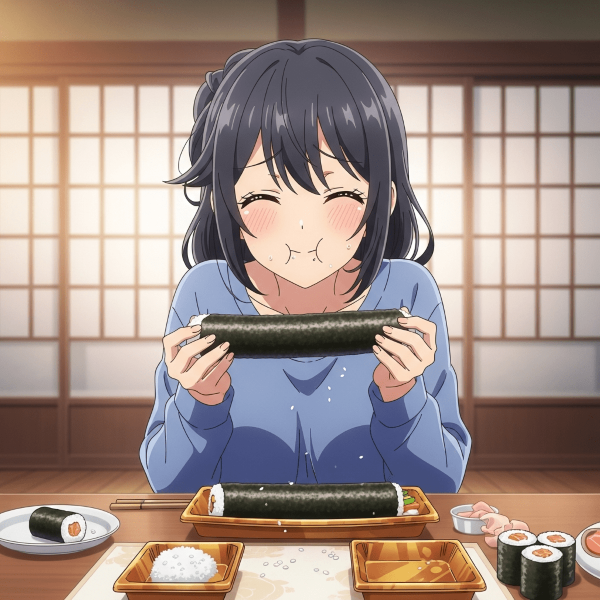
The Culture and Origin of Ehomaki
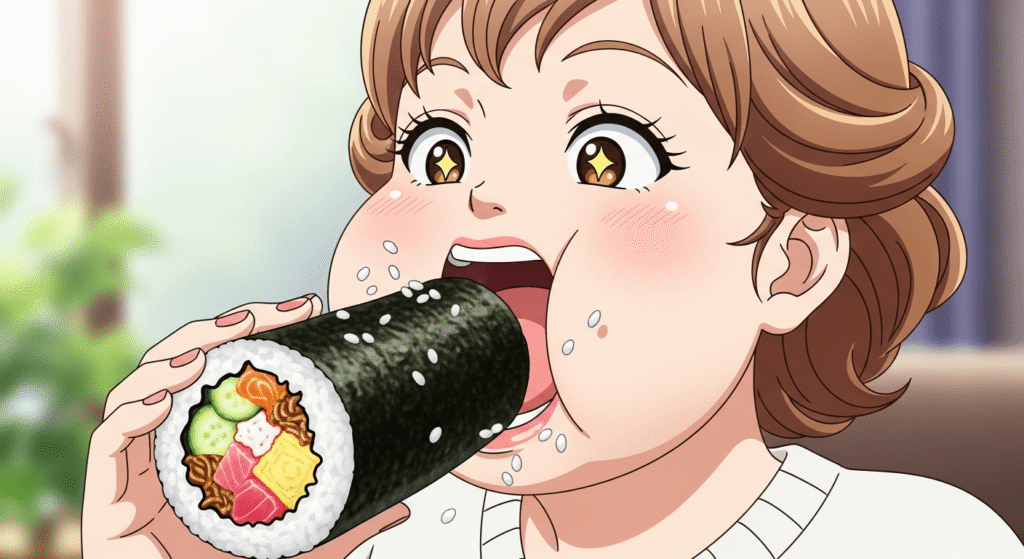
Ehomaki originated as a Kansai custom: eating a whole rolled sushi facing the year’s lucky direction.
In recent years, thanks to convenience store promotions, it’s spread nationwide. As Setsubun approaches, ehomaki banners appear at every convenience store, catching your eye naturally.
While there are various theories about its origins, one story suggests that during the Edo period, a dried goods wholesaler in Osaka wondered, “Is there a way to sell more nori?” and planned an event to eat rolled sushi on Setsubun.
The lucky direction for 2026 is South-Southeast.
Purchasing Ehomaki at Sanei
I went to the nearby Sanei supermarket in the afternoon.
The sushi counter was packed with housewives, radiating the very energy of Setsubun day itself.
People holding trays selecting items, families buying in bulk, others hesitating and repeatedly comparing shelves—
the entire sales area was bustling, almost jostling.
Store staff were constantly restocking items, radiating the characteristic energy of Setsubun.
This year, alongside the standard thick rolls, there were also Ehomaki rolls designed like hand-rolled sushi,
and the style where you roll and eat it yourself seemed popular too.
The fresh fish section featured many types of sashimi cut into strips,
thoughtfully arranged so you could freely arrange them at home – just looking at them was fun.
On Setsubun day, you naturally want to make the dinner table a little more festive than usual.
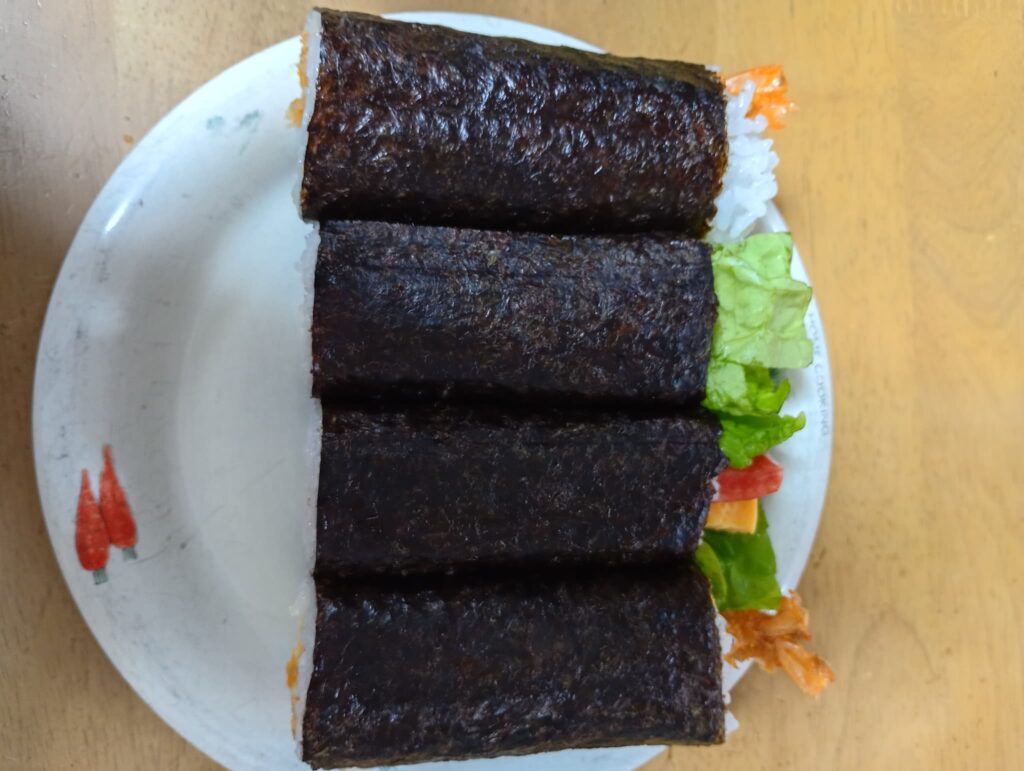
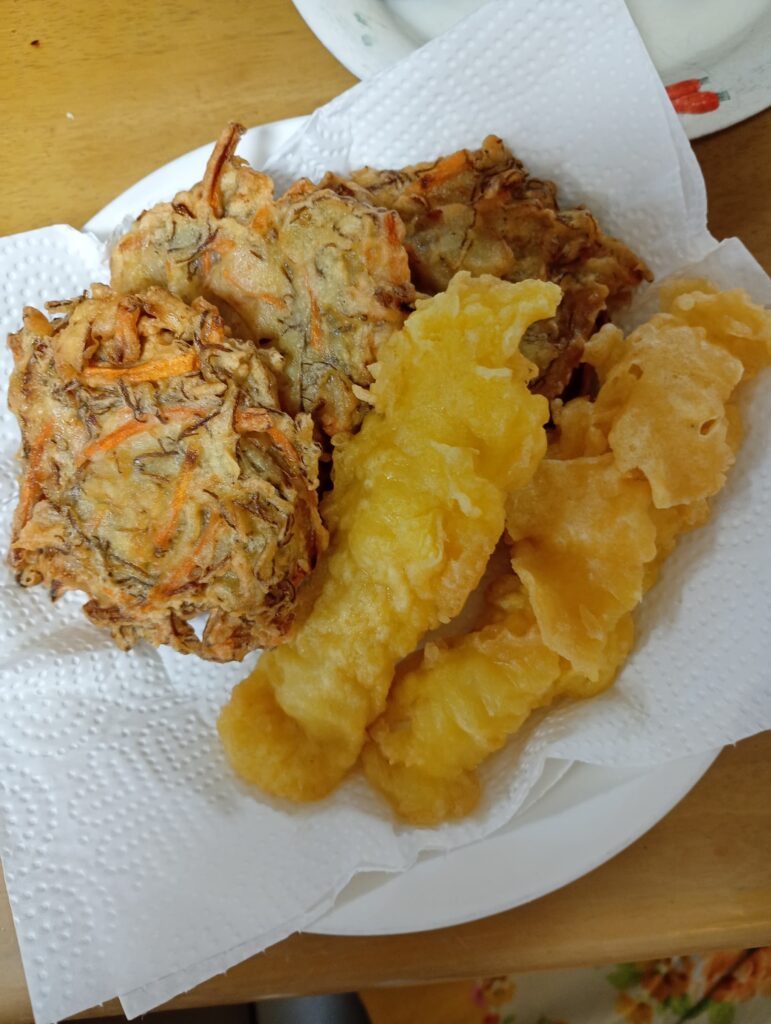
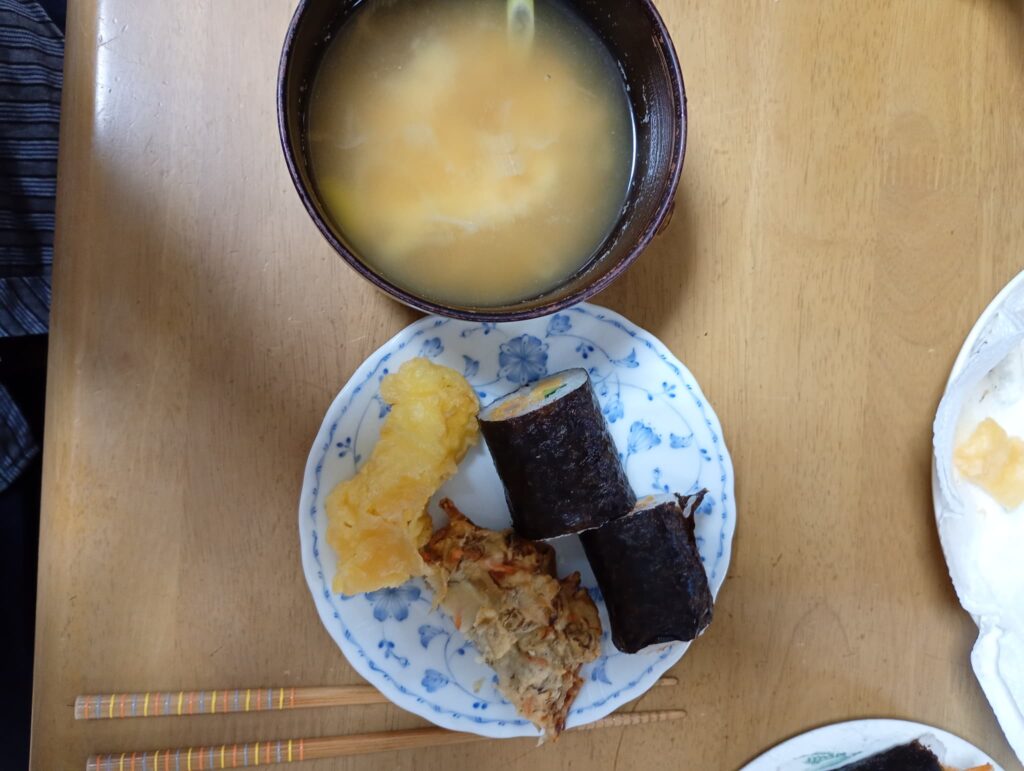
Since it was just my mother and me for dinner, I bought one pack of rolled sushi and a tempura assortment.
With some miso soup, it would make a perfectly satisfying supper.
My mother also likes rolled sushi, so I chose an amount she could comfortably eat.
Being able to continue celebrating seasonal events together like this is our greatest joy right now.
May we stay healthy and energetic this year too.
Setsubun is said to be “a day to ward off misfortune at the change of seasons.”
Above all else, I hope we can stay healthy and get through another year.
Let’s do our best again this year.
Please read our other articles too.


人気ブログランキング