


- ☀️ This Morning’s Sky in Minatogawa, Urasoe, Okinawa, and Signs of the Season
- 🌧️ Morning in Minatogawa After the Typhoon Passed
- 🍠 A Morning in Caregiving Life and My Mother’s Health
- 🌺 The Seasonal Pattern in Okinawa Where the Old Obon Festival and Typhoons Overlap
- 🧭 Practical Tips for Living Through Seasonal Transitions (For Search Users)
- 🌈 Summary
☀️ This Morning’s Sky in Minatogawa, Urasoe, Okinawa, and Signs of the Season
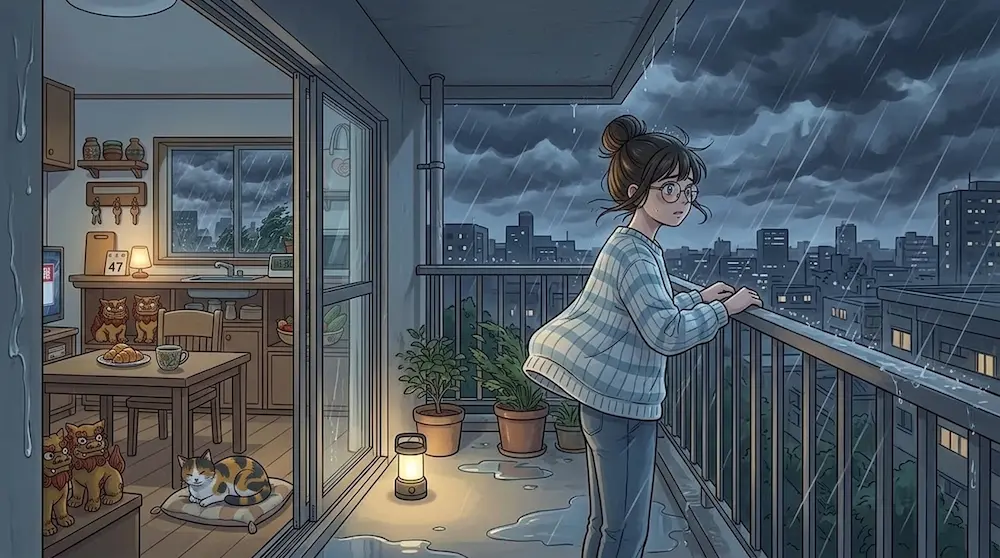
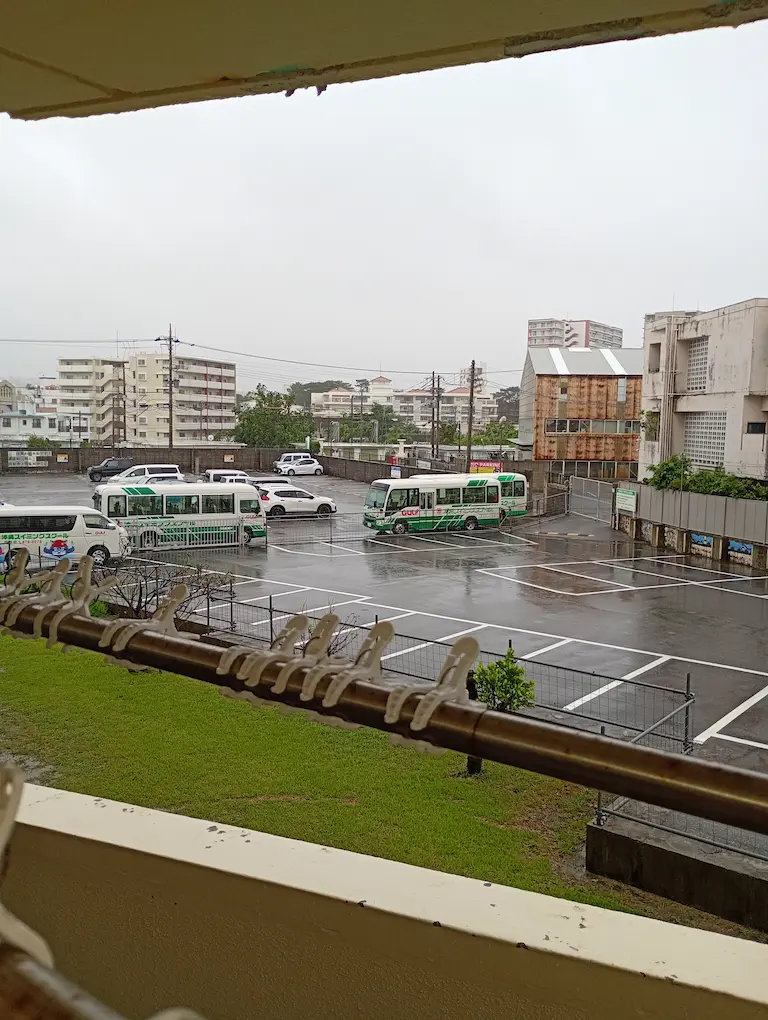
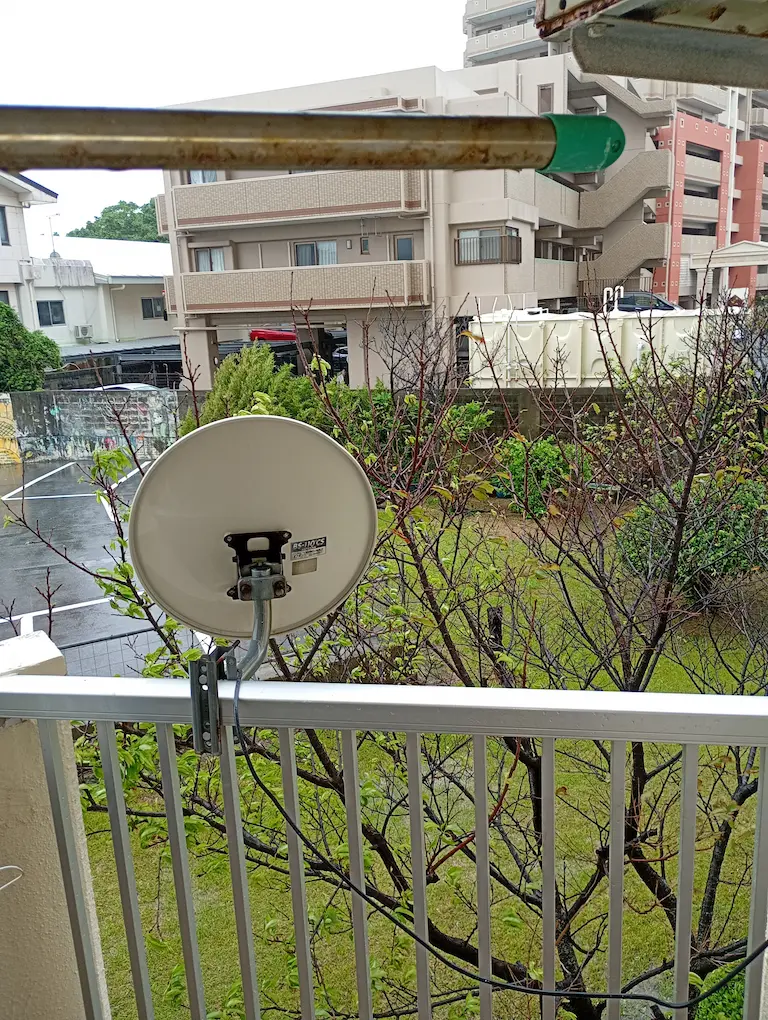
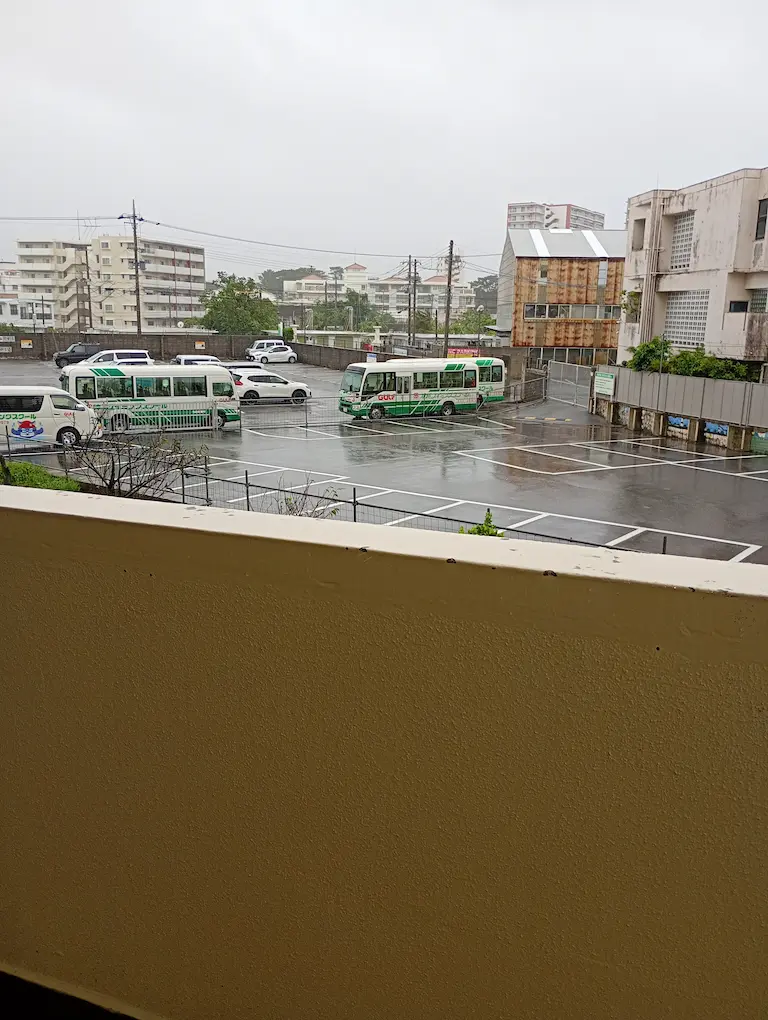
This morning in Urasoe, Okinawa, the weather is cloudy with occasional rain. The temperature is around 26°C, and the humidity is 92%, enveloping the area in the typical humidity of the Obon season. The strong, gusty winds characteristic of the morning after a typhoon have lingered over Minatogawa, and the weather remains unsettled, with the rain alternating between heavy and light. In Okinawa at this time of year, the weather is prone to sudden changes due to typhoons, and our daily rhythms tend to be dictated by the whims of the sky. Today, I’ll be documenting this morning’s scene and a typical day in our caregiving life.
🌧️ Morning in Minatogawa After the Typhoon Passed
The typhoon passed through at dawn, and its main body has now moved into the East China Sea between Taiwan and Okinawa. According to a flight app, while flights have resumed at Ishigaki Airport and Miyako Airport, operations at Naha Airport were suspended as of 9:00 a.m. Bus service in the northern region is also suspended for the morning and is scheduled to resume in the afternoon. It’s a relief that the Okinawa Urban Monorail is operating normally, but with 2,800 households in the northern region still without power, I can really feel the magnitude of the typhoon’s impact.
Although the expressways are open, speed limits are in effect, and while taxis are scarce, they do seem to be running. Supermarkets appear to be staying open rather than closing, as they’re handling pickups for Old Obon appetizer platters. Even on a typhoon morning, the flow of daily life doesn’t stop.
🍠 A Morning in Caregiving Life and My Mother’s Health
I woke up slowly this morning. Yesterday, I was busy preparing a lot of food for the Obon holiday and had been on the go since early morning, so today—with no visitors in the midst of the typhoon—is a chance to relax a bit.
As usual, my mother wasn’t feeling well, complaining of a “headache, nausea, and sleepiness.” This morning, I gave her some roasted sweet potatoes and her medicine, then put her back to bed. Since she couldn’t sleep last night and kept pacing around, I’m a bit sleep-deprived myself. Changes in atmospheric pressure caused by typhoons can easily affect one’s physical condition, and in my daily life as a caregiver, I feel this “link between the weather and physical health” every day.
🌺 The Seasonal Pattern in Okinawa Where the Old Obon Festival and Typhoons Overlap
While it’s “commonly perceived as a frequent occurrence in Okinawa” for the Old Obon Festival and typhoons to overlap, in reality, there aren’t many years where the three-day Old Obon Festival period completely coincides with a typhoon. As mentioned in the document,
“2013 → 2020 → 2021 → 2026 were years when the Old Obon festival and typhoons clearly overlapped.”
In 2013, in particular, all three days of the Old Obon festival were under the influence of Typhoon No. 12, making it a classic “Old Obon + typhoon” scenario. This year, 2026, is following a similar pattern, so it might be the first time in a while that we can truly call it a traditional Old Obon festival.
🧭 Practical Tips for Living Through Seasonal Transitions (For Search Users)
The Old Bon period sees many typhoons, and the changes in atmospheric pressure can easily make people feel unwell. For families providing care,
Stay hydrated frequently
Use air conditioning and dehumidifiers wisely to maintain humidity between 60–70%
For restless sleep at night, dim the room lights slightly to create a sense of security
Stock up on groceries well in advance of and after typhoons
These strategies can be helpful. Because Okinawa’s summers are long and typhoons are frequent, making small adjustments to daily life can help lighten the burden of caregiving.
🌈 Summary
A morning in Urasoe and Minatogawa, where the aftereffects of the typhoon still linger. While this is a time when the busyness of the Old Obon season overlaps with the demands of caregiving, days when time passes slowly are also important. May you spend today peacefully, feeling the air of this seasonal transition.



This adaptive spoon and fork set is designed to help seniors or anyone with hand tremors eat more comfortably. The anti‑shake design provides stability, making daily meals easier and more enjoyable. It’s lightweight, easy to hold, and ideal for women aged 45–70 who want practical support without complicated devices.

This rechargeable electric can opener is perfect for seniors with arthritis or reduced hand strength. It opens cans automatically with one touch and works quietly. The compact size makes it easy to store, and the rechargeable battery means no need to replace AA batteries. A great everyday helper for safe and effortless cooking.



人気ブログランキング